
1.13.26 | A Book to Devour
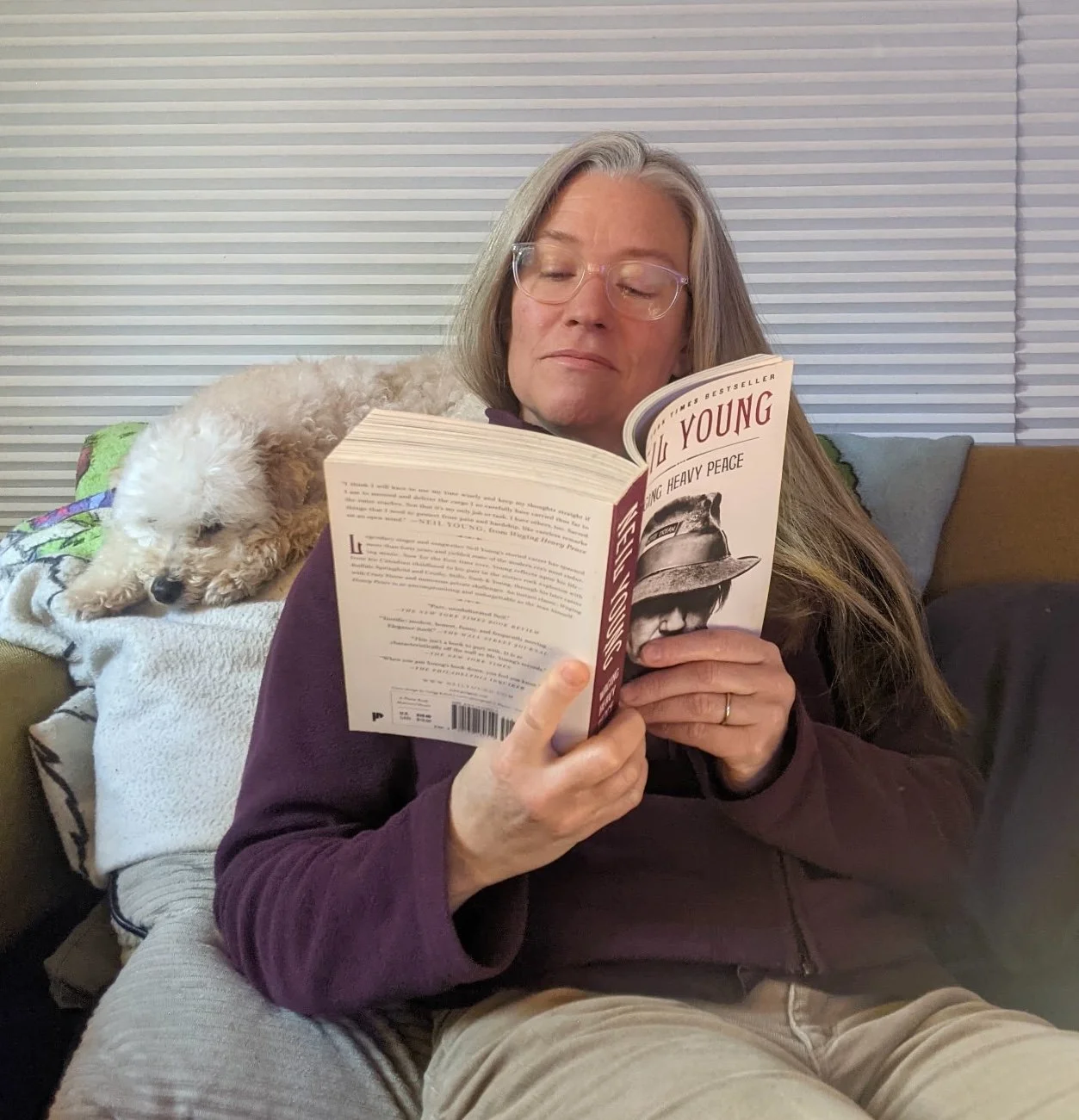
I'm always thankful when I finish a really great book, a book that immediately makes me want to re-read it. Besha Rodell's Hunger Like a Thirst has done that for me. I am currently in the process of the second reading and I am catching moments that I missed and highlighting important ideas that I don't want to forget.
Rodell is a food critic working in Melbourne, Australia–which I understand is an amazing food city–but her food critic career has taken her many places (including southwest Virginia!). Most of the time I avoid books about the restaurant world, but I have enjoyed several memoirs by food critics. They discuss the parts of the job they love—the special places they get to visit—and the parts they don’t (more on that below). I find these books motivating. It makes me want to do better to create a special place.
In beautiful and frank language, Rodell touches on many topics that are a big part of the life that Matt and I have created as restaurant owners, servers, and chefs. She talks about the history of tips and where the idea of "service" came from. She talks about the difference between hospitality in the U.S. and in other parts of the world, as well as the history that’s likely behind that. She talks about the simultaneous gratitude and difficulty she has with the career she is in, something everybody can probably relate to. She discusses the differences between American culture and other cultures in ways that I've never heard before. As a person who studied anthropology in college, I love that!
She also talks about the disparity in pay amongst restaurant staff—a huge part of the reason for the re-branding that took place at The Red Hen almost two years ago. Because tipping culture warps the economics of the industry, independent restaurants struggle to pay kitchen staff as much as servers earn from tips. If tips were totally eliminated, the price of a meal at a restaurant like ours would have to rise dramatically to meet our fixed costs and still pay everyone fairly. To be honest, all the ways that have been tried in recent years to fix this knotty problem—from service fees to QR code ordering—could fill a whole other newsletter. But the short version, for us, is that we’ve created equity in the pay structure by working within the legal restrictions to distribute tips among the entire team. Of course, it only works because Matt and I are now the primary servers. We are not seasoned and or classically trained servers, but I think you will be hard pressed to find anyone that cares more about the food, wine, drink, and ambiance of our establishment than us.
Rodell also talks about the changes that she wants to see post-Covid: a gentler, kinder environment in kitchens and restaurant reviews. She quotes her friend Bill Addison saying that all he wants to do now is uplift those places that are doing great things. Addison, a fellow restaurant critic, says that it's an important counter-attack to the influencer economy. YES!
What is the job of a food critic anyway, Rodell asks. Is it to guide people towards dining experiences that fit their desires and personalities? Or is it to showcase restaurants that have PR firms working on their behalf, who are essentially purchasing reviews? In their line of work, Rodell says, the only restaurants they are tasked with reviewing are fine dining establishments. She's pushing against this idea, and I am so glad. Because of course great food and ambiance exists in places that don't have linen tablecloths.
Matt and I have been discussing this quite a bit lately: What defines fine dining? And who defines it? We have come to the conclusion that many of the fine dining ideals don't really match who we are. And really, shouldn't our establishment represent our personalities and worldview? Certainly Zunzun isn't for everyone, but more and more we realize that it's good to be genuine. We like the idea that we have created a space that can be a bit of an escape, where repeat customers are remembered, where we might add a little whimsy to a special occasion, and where the experience includes some really good food, knowledgeable and friendly service, and an engaging atmosphere.
I myself am incapable of reading reviews about Zunzun. Perhaps I should have a thicker skin and come to the conclusion that constructive criticism is important, and an outside perspective is an essential ingredient to success. Perhaps. I'm not there yet.
I would, however, be very curious about Rodell’s perspective/criticism of our place. Maybe someday she will make a trip back to the Blue Ridge Mountains of Virginia.
—Becca